Governor Ned Lamont recently issued an official proclamation recognizing the UConn Health Disparities Institute for its pivotal role in championing women’s health during menopause. By designating October 2026 as Menopause Awareness Month, the governor highlighted how this transition affects women far beyond clinical definitions, impacting their emotional well-being, social lives, and stability in the workplace. The move signals a shift toward treating menopause not just as a private medical matter, but as a critical public health priority that requires systemic support.
Central to this effort is the development of a comprehensive statewide provider toolkit. In accordance with recent legislation, the institute will collaborate with the Connecticut Department of Public Health and actual patients to create evidence-based guidelines for clinicians. According to UConn School of Medicine dean Bruce T. Liang, this project aims to bridge the gap between high-level medical education and the real-world needs of residents, ensuring that healthcare providers are equipped to offer culturally appropriate and practical care.
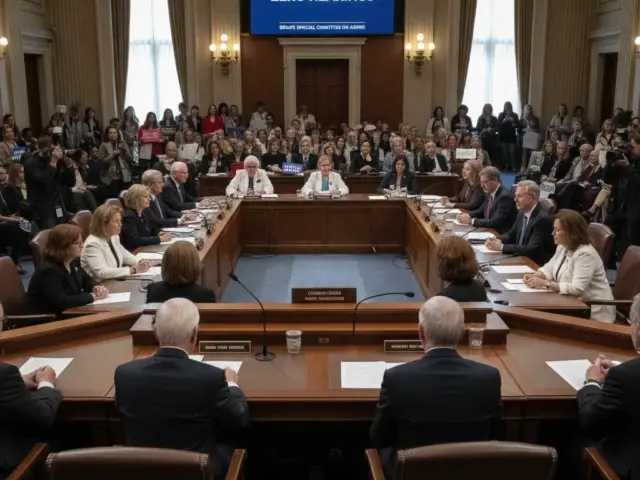
The momentum behind this initiative grew from grassroots community engagement and partnerships with groups like the Connecticut Commission on Women, Children, Seniors, Equity and Opportunity. By hosting events at the State Capitol and documenting patient concerns in detailed reports, advocates successfully pushed these conversations into the legislative arena. State Representative Kai Belton emphasized that this progression from listening sessions to formal policy demonstrates what happens when citizens feel seen and heard by their government.
While officials view the gubernatorial proclamation as a major victory, leaders at the UConn Health Disparities Institute insist that the most challenging work is still ahead. Director Linda Sprague Martinez noted that while the recognition validates their progress, the ultimate goal remains creating a future where lived experiences directly shape healthcare delivery. For now, the focus shifts toward finalizing a resource guide that will transform how menopausal health is managed across every clinic and doctor’s office in Connecticut.